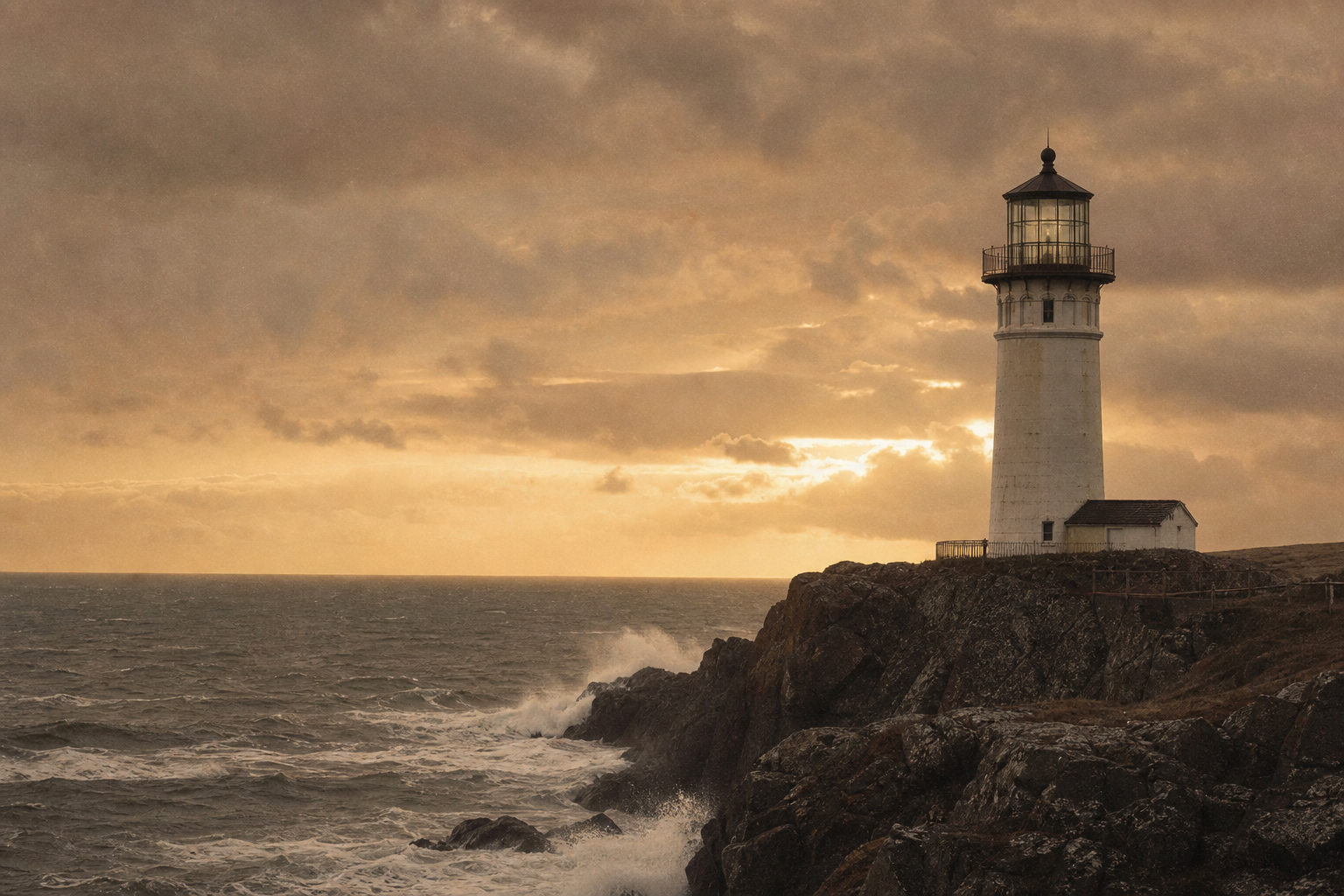
Warm film-style photograph of a northern coastal lighthouse standing above rough sea spray under moody evening light

Northern coast lighthouses: a living record of seamarks, storms, and shore communities.

Explore archival images, keeper recollections, and preserved towers that still guide the memory of the shoreline.

  • Archive photos
  • Keeper stories
  • Preserved landmarks

Historical frame

Why the northern coast's lights became essential to life, trade, and return

Through the nineteenth and early twentieth centuries, the northern coast was both a shipping corridor and a weather frontier. Fog, shifting shoals, and winter swells made even familiar routes uncertain, so lighthouse stations formed a reliable chain of bearings for captains carrying timber, fish, mail, and passengers between working harbors.

Each tower was more than a beacon: it was part of a local warning network tied to pilots, dock crews, and families watching the horizon. As technologies changed, many lights were automated or retired, yet the preserved structures still map how navigation knowledge and coastal communities grew together across generations.

“When the lamp stayed steady, ships held their line—and entire shoreline towns slept easier.”
Preservation highlights

Key takeaways at a glance

Routes Still Legible

Lantern alignments and shoreline markers remain easy to trace along preserved approaches.

Keepers’ Voices Preserved

Diaries, letters, and oral recollections continue to anchor each tower in lived community memory.

Restoration with Restraint

Conservation work favors original materials and weathered character over polished replacement.

Community Stewardship Active

Local trusts, volunteers, and schools keep maintenance, interpretation, and access in motion.

Keeper Stories

Lives kept at the lamp line

Beyond masonry and lenses, each tower depended on people who measured nights by weather shifts, clockwork routines, and the long patience of remote coastal life.

Lead Story · Storm Watch

Night watch at Kittiwake Point, 1912

Keeper Elias Morel logged each hour in a narrow hand: wind veering east, wick trimmed, lens turned, fog bell tested. During winter squalls he slept in intervals measured by the clockwork drive, climbing to the lantern room before the flame could falter.

His notes are practical and restrained, yet between lines appears the strain of duty—boots drying by the stove, salt on the stair rail, and the quiet certainty that one missed round could leave a vessel blind to shore.

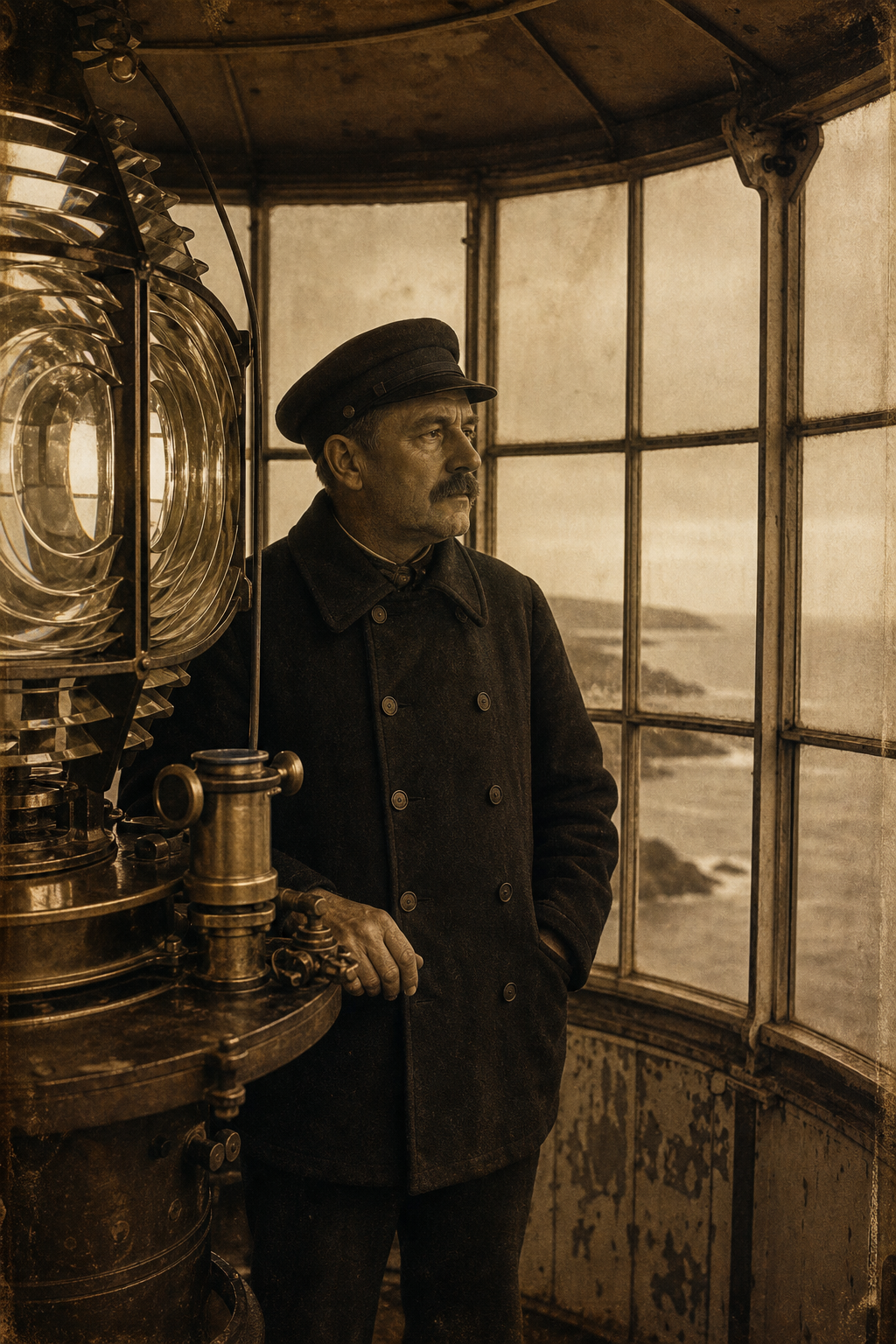
Sepia-toned portrait-style view of a lighthouse keeper inside a lantern room, wearing a heavy wool coat beside brass instruments and weathered glass panes
Lantern room interior, early 20th century reconstruction from coastal archive references.

Routine

The clockwork day

Mornings meant chimney polishing, oil checks, and signal-flag upkeep before noon tides. Repetition was the safeguard: the same sequence, every day, so no storm-night began with uncertainty.

Remote Family Life

Homes at the edge of weather

Families shared the station rhythm—children timed lessons between supply boats, partners kept kitchens warm through gales, and letters arrived in bundles that stitched distant towns back into daily life.

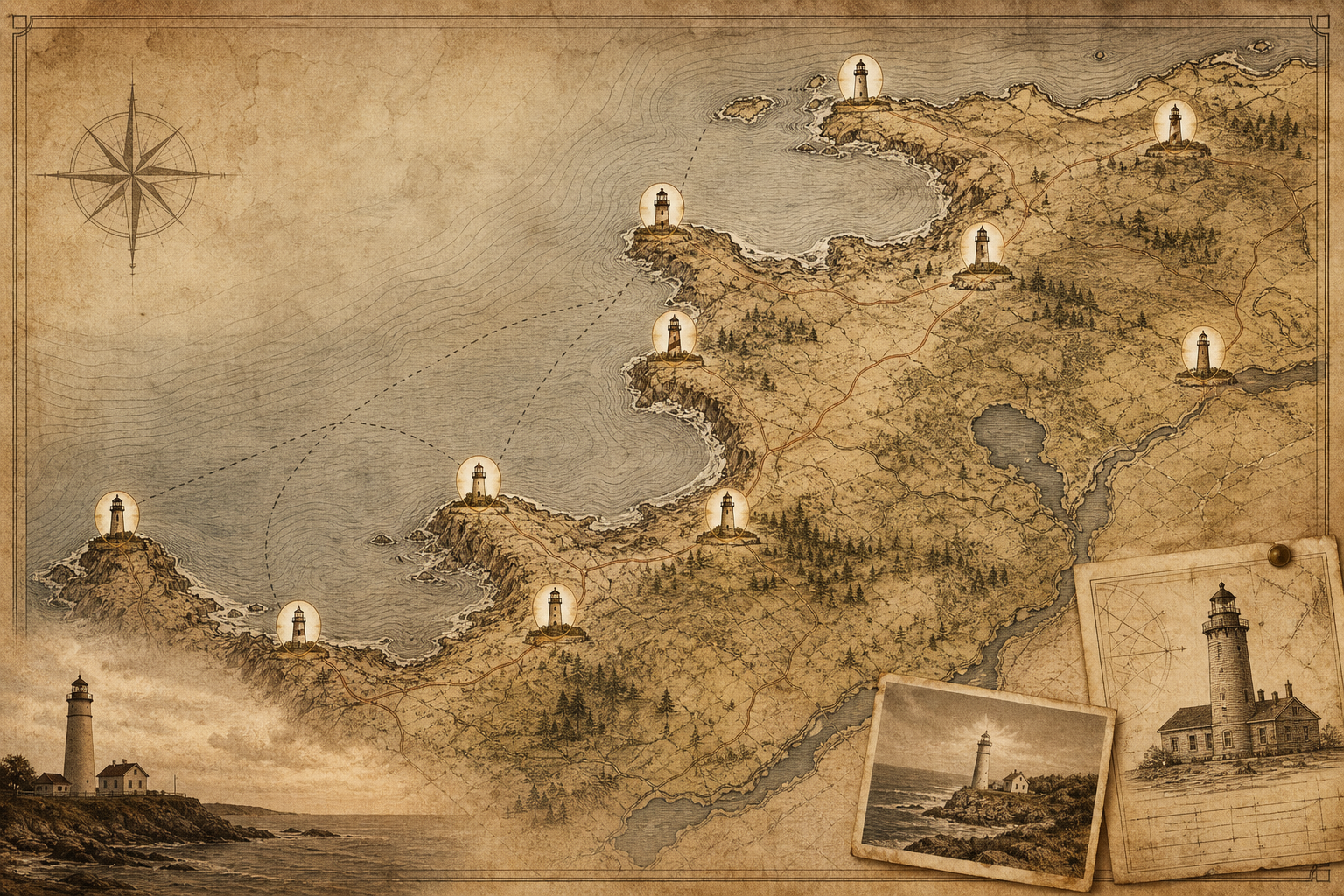
Preserved towers along the northern coast

Use this guide to trace surviving lighthouse landmarks, then continue below for practical visiting notes.

Warm heritage-style illustrated map of the northern coast with marked preserved lighthouse sites, shoreline contours, and route traces

Visiting notes

Practical guidance for respectful coastal visits

Conditions change quickly along the northern shoreline. These quick notes are here to help you plan calmly, protect fragile sites, and make the most of your time on the towers trail.

Can I access every lighthouse directly?

No. Some towers sit on protected land, active working grounds, or private approaches. Check posted signs and local access guidance before setting out, and use public viewpoints when entry is restricted.

How should I behave at preserved lighthouse sites?

Stay on marked paths, avoid climbing barriers, and never remove objects or stones. These places are fragile records of coastal life, so leaving no trace is the best way to keep them intact.

What should I know about weather and terrain?

Coastal wind, slick stone, and sudden rain are common even on clear days inland. Wear grippy footwear, bring a warm layer, and keep distance from cliff edges and spray zones.

Any photography tips for archive-style shots?

Arrive early or late for softer light, include shoreline markers for scale, and keep horizons level in windy conditions. If people are present, ask before close portraits near working heritage buildings.

Do visit conditions change by season?

Yes. Winter storms can close paths, while summer daylight extends safe viewing time but increases foot traffic. Check local advisories on the day, and pair your route with the preserved towers map before departure.